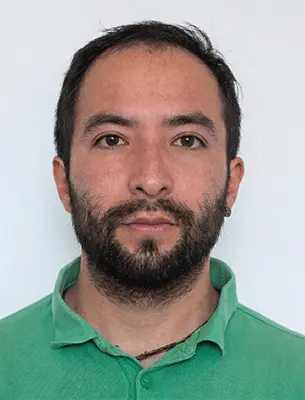
 Adrián Pablo Cardozo Ríos is a researcher in International Studies in Peace, Conflict and Development at Universitat Jaume I (UJI).
- Industry relevance tags: Digital communication, Social impact, Human rights, Sustainability & society
- Core research problem: How NGOs can counter hate speech about migration on digital platforms like TikTok, where political actors exploit fear-based narratives to polarize societies.
His research examines how NGOs attempt to counter hate speech about migration on TikTok, and why many peace-oriented initiatives struggle to gain traction in digital spaces.
"Digital presence matters, but real change happens when online and offline strategies work together."
Adrián Pablo Cardozo Ríos, The Short Version
- University: Universitat Jaume I (UJI)
- Field: Peace, Conflict and Development Studies
Adrián is a researcher focused on digital hate speech, migration, and transformative communication.
His work explores how NGOs can respond to fear‑based political narratives on platforms like TikTok.
Photography, art, and intercultural experiences inspire his research perspective.
Hate Speech, Migration, and Digital Politics
Adrián's research investigates how migration-related hate speech spreads on TikTok and how political actors use fear-based messaging to attract voters and fragment societies.
While many NGOs run successful face‑to‑face campaigns, he highlights a critical gap in their ability to operate effectively in the digital sphere, where visibility and algorithmic logic play a decisive role.
From Research to Social Impact
His work sits at the intersection of sustainability and society, with a strong focus on human rights. Adrián is particularly interested in how research can inform practical communication strategies for NGOs, municipalities, and public institutions.
Collaboration as a Core Strategy
He would benefit from collaborations with research groups specializing in digital communication, NGOs active on TikTok, human rights activists, and public institutions engaged in digital governance.
Inspiration Beyond Academia
Outside research, Adrián finds inspiration in photography, observing everyday life, art, intercultural encounters, and board games, all of which shape how he thinks about dialogue, conflict, and understanding.
Skills for the Next Step
Looking ahead, he aims to strengthen his digital research methods, data analysis skills, strategic communication design, and leadership capabilities to better connect academic research with applied social innovation.