Many of today's meeting places for young people are linked to organized sports and other leisure activities. Those who do not find their place within these communities may experience a lack of belonging. This project addresses this challenge by focusing on young people who do not participate in organized activities.
FaithInYou aims to explore which arenas exist—or can be created—for them. The project is based on a growing interest from municipalities and organizations in developing facilities for self-organized activities. Such arenas are open and flexible, giving young people the opportunity to be active on their own terms.
Arenas for inclusion
The goal is to understand how these facilities can contribute to inclusion and social communities, particularly for young people at risk of social exclusion.
FaithInYou will map the need for such meeting places which are accessible to all, especially marginalized groups, and understand their role in preventing exclusion. No prior studies have focused on whether facilities for self-organized activities reach youth at risk of social exclusion.
The project also aims to develop a new model for designing and facilitating arenas for self-organized activities. The model will help create innovative solutions that can be used both locally and nationally. It will be developed through dialogue with young people and local stakeholders and tested in practice.
Valuable insights
Researchers from USN, the University of Southern Denmark, and Telemark Research Institute will, together with partners Vestland County Municipality, Bergen Municipality, and Tverga, investigate several key questions, including:
- What are the needs of young people who engage in self-organized activities?
- What political and economic barriers hinder the establishment of such facilities?
- How can we create effective meeting places that reach the target group?
The results of the project may provide valuable insights for policymakers, administrators, and organizations. The goal is to contribute knowledge that promotes facilities where young people feel welcome.
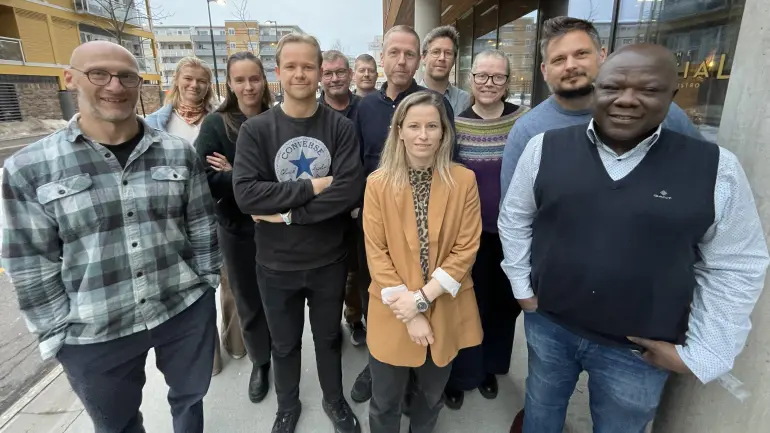
Project organization
Work Package 1: Use/non-use: The current facility structure and activity patterns of youth – a quantitative study of usage and needs
Work Package 2: The political processes and political obstacles in the development and establishment of facilities for self-organized activities
Work Package 3: Inclusive facilities for youth engaged in lifestyle sports outside of sports clubs
Work Package 4: Inclusive Arenas for Marginalized Youth
Work Package 5: Develop and implement a model at the local level
Work Package 6: Dissemination and communication
Work Package 7: Coordination and management
The first four will be done through four empirical work packages that include surveys, interviews, and fieldwork.