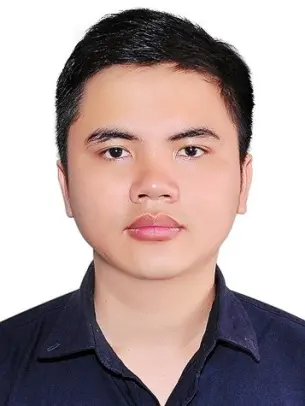
 Duong Hai is a PhD candidate in Health Sciences at the University of Pécs, based in Pécs, Hungary.
- Industry relevance tags: Digital health, Preventive medicine, Medical diagnostics, Public health, AI & digital innovation
- Core research problem: How eHealth literacy and non‑invasive screening technologies, such as low‑dose chest CT and liquid biopsy, can improve early disease detection, health‑related quality of life, and access to preventive healthcare across different populations.
His research bridges digital health, preventive medicine, and early cancer diagnostics, with a strong focus on how eHealth literacy shapes health‑related quality of life.
Duong Hai, The Short Version
- LinkedIn: Hai Duong | LinkedIn
- University profile: University of Pécs, TESE PhD profile
- Location: Pécs, Hungary
Duong Hai is a medical doctor and PhD researcher in Health Sciences, studying how eHealth literacy influences health‑related quality of life among adults in Hungary and Vietnam.
His work also explores early lung cancer screening using non‑invasive methods such as low‑dose chest CT and liquid biopsy.
Alongside academia, he brings experience from digital health entrepreneurship and health communication initiatives.
Outside research, he is energized by traveling, sports, and exploring different cultures.
From Clinical Practice to Population Impact
Duong comes from a strong medical background in internal medicine, epidemiology, and biostatistics. He earned his MD in Vietnam and a Master of Science in Medicine from Taipei Medical University, and has worked as both a physician and university lecturer since 2018.
His motivation for pursuing a PhD grew from firsthand clinical experience and personal encounters with illness, which revealed how decisive early detection and informed self‑management can be for long‑term quality of life.
Research at the Intersection of Literacy and Early Detection
At the core of Duong’s PhD is the question of how eHealth literacy relates to health‑related quality of life. His comparative research in Hungary and Vietnam addresses a gap in existing health literacy studies, which have traditionally paid less attention to digital competencies.
Preliminary analyses suggest that individuals with higher eHealth literacy report better quality of life, and that this relationship is shaped by health‑promoting lifestyle behaviors.
“Early diagnosis only works if people understand, trust, and know how to act on health information.”
Advancing Non‑Invasive Cancer Screening
Beyond population health research, Duong collaborates with clinical partners in Vietnam to develop protocols for early lung cancer screening. This work evaluates the combined value of low‑dose chest CT and circulating tumor DNA as non‑invasive tools for earlier and more accurate diagnosis.
He is particularly driven by the fact that a majority of lung cancer cases are still diagnosed at advanced stages, severely limiting survival and treatment options.
Learning Through Data Quality and Careful Design
One experience that has shaped Duong’s approach to research is confronting inconsistencies between national data and international databases. This challenge has made him more rigorous in defining variables, designing studies, and planning recruitment and budgets, especially for screening projects.
As a result, he approaches research with caution, transparency, and a strong emphasis on methodological clarity.
Entrepreneurship and Digital Health Innovation
Duong has a clear interest in health entrepreneurship and social enterprise. He previously worked as a Mobile App Manager at MediHub Media Corporation, contributing to the development of Vietnam’s first mobile app for healthcare professionals, which scaled to more than 50,000 active users.
He also founded and leads a health communication initiative, bringing together doctors, students, and healthcare companies to create accessible, community‑focused medical content.
What He Hopes to Gain from TESE Days
Through the TESE Days network, Duong aims to strengthen his entrepreneurial mindset and learn how to translate academic research into scalable digital health solutions. He is especially interested in turning complex diagnostic frameworks and health literacy tools into real‑world interventions.
Equally important to him is connecting with peers and experts across disciplines, building collaborations that can support more accessible, preventive, and patient‑centered healthcare systems.
Beyond the PhD
Outside his academic and clinical work, Duong draws inspiration from traveling, sports, and cultural exploration. These experiences help him maintain perspective and reinforce his commitment to building health systems that are both scientifically sound and deeply human.
“My goal is to help people detect disease earlier, understand their health better, and take an active role in protecting their own wellbeing.”