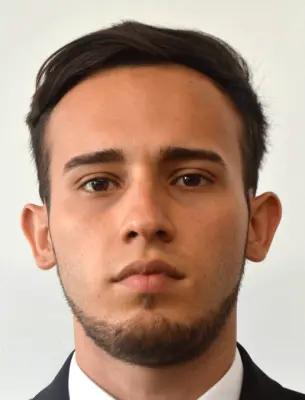
 Jefferson David Rodriguez Chivata (LinkedIn) is a second‑year PhD student in Electronic and Computer Engineering at the University of Cagliari.
His research focuses on securing biometric facial images against morphing and deepfakes while preserving recognition accuracy.
- Industry relevance tags: AI, Cybersecurity, Biometrics, Digital identity
- Core research problem: How to protect biometric facial images in identity documents against morphing and deepfake attacks without degrading the accuracy of facial recognition systems.
"Biometric security should protect people, not silently trade away accuracy or trust."
Jefferson Rodriguez, The Short Version
- LinkedIn: Jefferson Rodriguez
- GitHub: Jefferson Rodríguez
- Profile on SAIFER Lab: Jefferson Rodriguez
- University: University of Cagliari
- Location: Cagliari, Italy
Jefferson David Rodriguez Chivata is a PhD student in computer engineering with a background in AI and computer vision.
His work explores digital watermarking and steganography to certify ICAO‑compliant facial images and protect them from manipulation.
He is motivated by bringing deep-tech research closer to real-world deployment and social impact.
Entrepreneurship, travel, and cross‑cultural collaboration energize him.
Security Without Compromise
Jefferson's research addresses a growing tension in biometric systems. Techniques that embed security information into images can detect manipulation, but they may also degrade recognition performance.
His work quantifies this trade‑off and explores new strategies to certify image integrity while maintaining the high accuracy required for identity verification.
Rigor and Responsibility
A key experience during his PhD has been learning the importance of rigorous experimental methodology. Clear definitions, careful evaluation, and meaningful interpretation now guide how he approaches research.
He also actively integrates large language models into his workflow, while remaining critical of their limitations and risks.
From Research to Market
Jefferson is passionate about privacy, security, and ethical use of biometric data. He wants to learn how to move research prototypes into startups or applied projects.
Improving communication, leadership, and public speaking skills is central to his future goals.