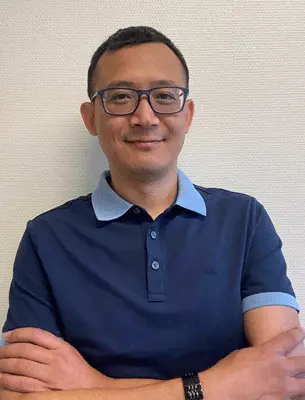
 Monish Bajracharya (usn.no) is a PhD researcher in management at the University of South‑Eastern Norway.
His research examines climate change risks and management responses at World Cultural Heritage Sites.
- Industry relevance tags: Climate risk, Cultural heritage, Sustainability & society
- Core research problem: How climate change threatens World Cultural Heritage Sites, especially in developing regions, and how governance, networks, and institutional capacity shape effective adaptation responses.
“How can heritage sites adapt to climate change when governance and resources are uneven?”
Monish Bajracharya, The Short Version
- University: University of South‑Eastern Norway
Monish Bajracharya is a PhD researcher studying climate change impacts on World Cultural Heritage Sites.
His work shows that sites in developing regions face high vulnerability and limited adaptive capacity.
He is interested in climate risk assessment, crisis management, and organizational responses to climate change.
Travel, food, music, and social gatherings energize him.
Climate Change and Cultural Heritage
Monish’s research explores how climate change affects World Cultural Heritage Sites, particularly in the Asia‑Pacific region.
His findings reveal high vulnerability in developing countries, combined with declining recognition of climate risks in recent management practices.
Governance, Capacity, and Networks
A key insight from his work is that effective climate adaptation requires synergy between national‑level factors such as economic conditions, environmental performance, and governance quality.
“Heritage sites cannot adapt in isolation, they depend on the systems around them.”
Monish also highlights the importance of interorganizational networks, which sites can leverage to build adaptive capacity and respond more effectively to climate risks.
Looking Ahead
He is interested in mentoring early‑career researchers in grant applications and building collaborations focused on climate strategy, monitoring, and crisis response.
Through TESE Days, he hopes to strengthen his networking, communication, and grant‑writing skills while engaging with researchers and practitioners across disciplines.