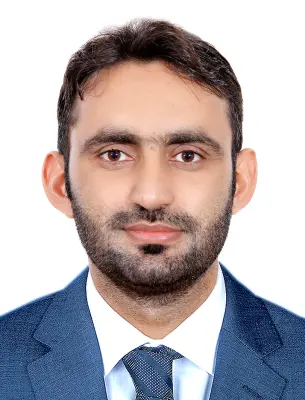
 Qaisar Ali is a PhD candidate in Molecular and Translational Medicine at the University of Cagliari, Italy.
His research focuses on RNA splicing dysregulation driven by TDP‑43 dysfunction using Drosophila models of neurodegeneration.
- Industry relevance tags: Biotech & health, Neurodegeneration, Molecular diagnostics
- Core research problem: How dysfunction in RNA splicing caused by TDP-43 loss contributes to neurodegenerative diseases such as ALS, and how these molecular mechanisms lead to neuronal and locomotor impairment.
“Small molecular errors can cascade into devastating neurological disease.”
Qaisar Ali, The Short Version
- University: University of Cagliari
- Location: Cagliari, Italy
Qaisar is a PhD researcher studying neurodegeneration through RNA splicing and gene regulation.
With a background in Medical Laboratory Technology, he bridges wet‑lab research and bioinformatics.
Curiosity, learning, and cultural exchange energize him beyond the lab.
RNA Splicing and Neurodegeneration
Qaisar’s PhD research investigates how loss of function of the RNA‑binding protein TDP‑43, modeled through TBPH in Drosophila melanogaster, disrupts RNA splicing and gene expression.
Using transcriptomic analyses and functional assays, he has identified candidate genes showing significant splicing alterations linked to neuronal dysfunction and locomotor impairment, offering insights relevant to ALS and related diseases.
From Molecules to Mechanisms
A key insight from his work is that disruption of RNA processing networks may be a central driver of neurodegeneration. Importantly, he focuses on connecting molecular changes to functional outcomes.
Beyond Academia
Alongside academic research, Qaisar is strongly interested in molecular diagnostics, clinical laboratories, and data‑driven healthcare. His background as a Medical Laboratory Technologist shapes his interest in translational applications.
Collaboration and Growth
He would value collaborations that bridge experimental biology, computational approaches, and clinical research, particularly in translational medicine and biotechnology.
Looking Forward
Qaisar aims to strengthen his bioinformatics skills, interdisciplinary collaboration, and scientific communication, with the long‑term goal of contributing to both research and diagnostic innovation.