 10.00
-
15.00
10.00
-
15.00
 Vestfold, Auditorium A1-36

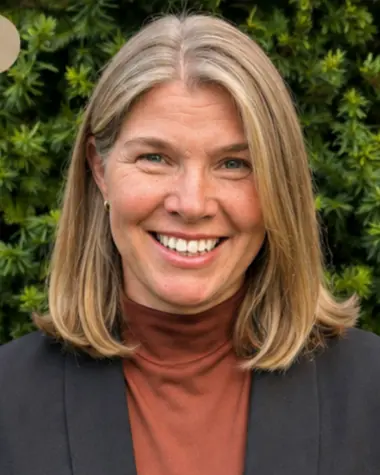
Hanna-Leena Oommen is defending her thesis for the degree philosophiae doctor (PhD) at the University of South-Eastern Norway.
She has pursued the PhD program in Person, Health and Society at the Faculty of Health and Social Sciences, Department of Nursing and Health Sciences.
Summary
Many newly arrived migrant women in Norway face language barriers, cultural differences, and uncertainty about how the healthcare system works when giving birth. This thesis examines whether support from a multicultural doula may contribute to better access to and experiences of maternity care, as well as better birth outcomes.
A multicultural doula is a woman with a migrant background who has been trained to support pregnant and birthing women with a similar language or cultural background. She provides emotional, practical and informational support and acts as a bridge between the woman and healthcare professionals.
The thesis comprises three studies conducted in Norwegian hospitals. Two used hospital record data to examine birth outcomes and healthcare utilisation, while the third investigated women's experiences of maternity care through a postpartum questionnaire.
Women who received support from a multicultural doula contacted the maternity unit more often before admission and were more likely to seek care when they had concerns, such as reduced fetal movements. At the same time, they used ambulance services less often, had fewer unplanned births outside hospital, and had shorter postpartum hospital stays.
They also had fewer emergency caesarean sections and fewer major haemorrhages following vaginal birth and were more likely to be exclusively breastfeeding at discharge. They also reported fewer unmet needs, better perceived quality of care, and less differential treatment during childbirth.
Overall, the findings suggest that multicultural doula support may be a valuable supplement to public maternity care and may contribute to more accessible, responsive and equitable care for an increasingly diverse population.